
Baylor Chapter 15 Starts With a Judge
Every arrest warrant starts with a magistrate. Texas Code of Criminal Procedure Article 15.01 defines one as a written order directing a peace officer or named person to take the accused into custody and bring that person before the magistrate. Article 15.02 lists what the document must contain. That includes the accused's name or a definite description, plus the charged offense. The Chapter 15 statute supplies the statewide rules Baylor County courts apply. No local warrant-number format is public. The linked page carries the official chapter text.
A Baylor County arrest warrant is pretrial process, not a judgment, and it does not set a bond amount by itself.
Arrest Warrants in Baylor County
A magistrate signs when the showing passes muster. The request usually rests on a complaint or affidavit. But the route to that signature varies. It depends on the court and the charge, so no single office in Baylor County issues every arrest warrant. A search warrant is a different instrument. It authorizes officers to search or seize described places or items, not to take a person into custody. Ask the clerk which instrument the court issued and which case or complaint it belongs to.
The 50th District Court Route
Baylor County's district criminal matters route through the 50th District Court. Judge Jennifer Ann Habert presides over that bench, per the state directory. Chris Jakubicek is the combo clerk here. He holds both the District Clerk and County Clerk titles, though County Court criminal records and district cases remain separate court files. For a district question, call the court coordinator at (940) 889-6912 or the clerk at (940) 889-3322. County Court matters go to County Judge Rusty A. Stafford at (940) 889-3553. The Baylor County official clerk page posts the contact. Confirm the case level first, then request the record.
What a Baylor County Arrest Warrant Contains
Baylor County posts no individual warrant records online. So the table here is a statutory schema, not a copied sample. The issuing clerk can confirm the real case number, court, charge and status, while some service details may stay restricted.
| Warrant / cause number | Not publicly sampled; no Baylor format was found. |
|---|---|
| Person identifier | Name or a definite description sufficient for identification under the statute. |
| Offense | Charged offense or a description of the alleged violation. |
| Issuing judge / court | Magistrate or court responsible for the order and related case. |
| Bond / bail | May be set separately under Chapter 17; do not infer an amount. |
| Date and return | Issue date and service or return information where maintained and available. |
Baylor Search Warrants Differ
Search warrants answer to their own chapter. Chapter 18 of the Code of Criminal Procedure covers the application, the probable-cause support, the place or items to be searched, execution, and return. None of that turns a search into an arrest order. OCA's municipal activity report even counts search warrants apart from arrest warrants and capias pro fine. That total is no count of people wanted. The Texas Chapter 18 text is the official source, and that page carries the full search-warrant chapter. Baylor County publishes no local search-warrant roster.
For an arrest question, request the arrest instrument from its issuing court instead.
How Baylor County Arrest Warrants Are Served
Service falls to the officers, not the judge. The Baylor County Sheriff is the main contact for county process and may serve a warrant. Seymour Police may serve city process. The court issues the order and keeps the case record, a clerk answers case questions, and the serving agency may hold a return or custody detail. Those jobs overlap without being interchangeable. Chapter 15 spells out execution and return rules, and after an arrest the person goes before the appropriate magistrate under Chapter 17 bail rules. Baylor County publishes no service schedule or warrant-unit page. Call the court for the case first, then ask the sheriff whether it holds a service record.
Baylor Court Issues, Sheriff Serves
The issuing judge or magistrate runs the judicial process. Baylor County splits the follow-through between agencies. The court or clerk keeps the case-side record, while the Baylor County Sheriff may execute county process and Seymour Police may serve city process. The sheriff's page lists contact details at 101 S Washington. What it does not post is a warrant list, a dedicated warrant desk, an after-hours warrant phone or a recall form. Use the Sheriff's Office page when the question is service or a sheriff-held record. A court-held warrant belongs with the issuing clerk. An affidavit from the case does too, and a denial from the sheriff does not show the court has no process.
Arrest Warrant vs Summons vs Bench Warrant
A summons or citation just asks you to appear. It is not an arrest order by itself. An arrest warrant commands custody under the applicable procedure, while in Baylor County a bench warrant usually means a judge acted after a missed court duty, though Texas courts may use a more specific instrument. The bench warrant page walks through the missed-setting route.
| Feature | Arrest Warrant | Summons | Bench Warrant |
|---|---|---|---|
| What it orders | Custody under the warrant | Appearance at a named time or place | Often custody after a court obligation |
| Basis | Required probable-cause showing | Notice or citation procedure | Failure to appear or comply, as applicable |
| Who issues it | Judge or magistrate | Court or authorized official | Judge of the court with the matter |
| How to respond | Contact counsel and issuing court | Follow the date and court instructions | Ask the court about appearance or withdrawal |
Baylor Bond Needs Court Confirmation
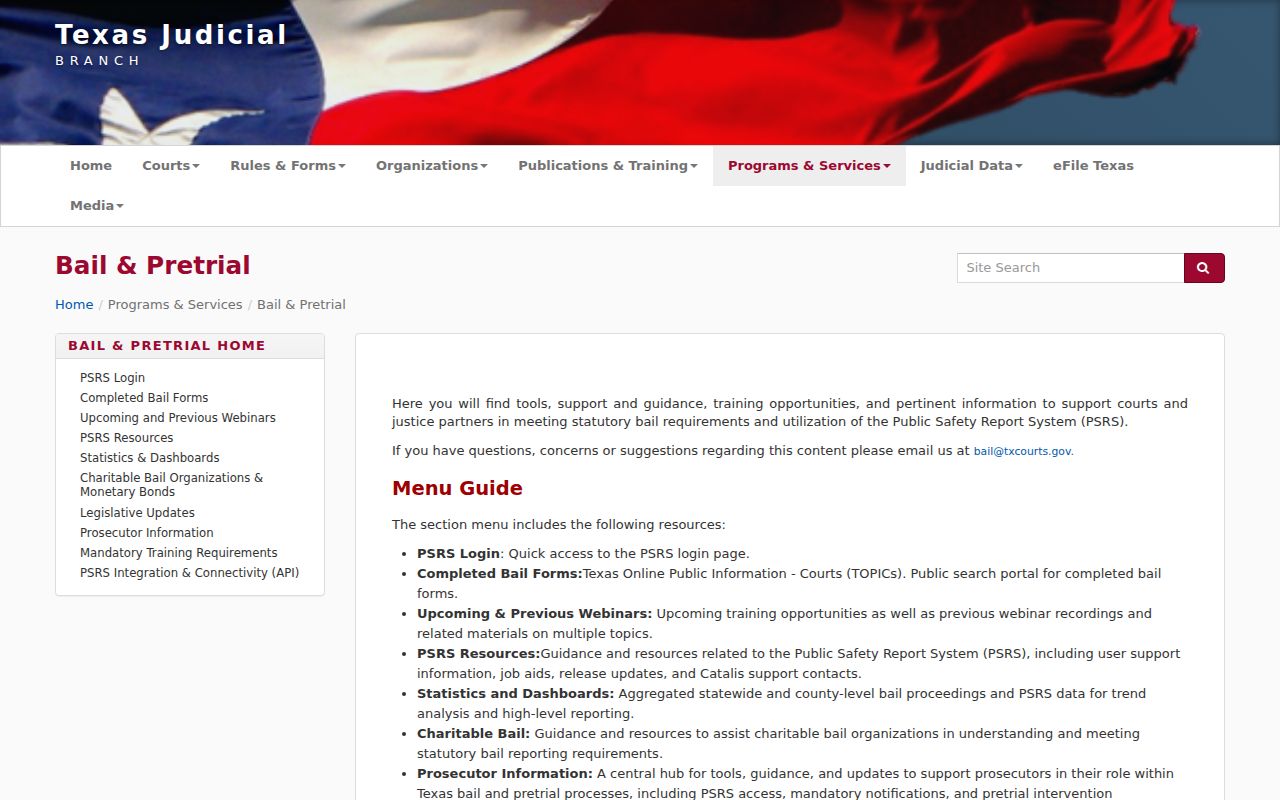
Chapter 17 of Texas law governs bail, but Baylor County publishes no county-wide bond schedule, no online bond form and no set warrant bond amount. Any bond gets set case by case. A magistrate or the court fixes the type, the amount and the conditions, so the charge alone tells you nothing about the number. Before any money moves, talk to the Baylor County clerk or a lawyer about whether bond is even authorized, who may post it, where payment is taken, and whether you must appear in person. Also ask what happens to the warrant once bond posts, because that answer varies. The Texas courts bail resources explain the statewide framework, though they cannot decide a Baylor County case for you. The OCA page behind that link shows the same statewide route rather than any local bond schedule.
Keep your receipt. Then ask the Baylor County court for the next setting and the bond terms in writing.
What to Do If There Is a Warrant for You
Start by confirming which court issued the warrant and on what instrument. If it is active, a Texas lawyer can advise on a voluntary appearance, bond, or a motion to recall or withdraw it. Only the issuing court, not any Baylor County officer, decides what it will accept. Do not approach an officer to test a rumor or pay anyone who contacts you out of the blue.
Important: For a possible active arrest warrant, get legal advice and court instructions before choosing when or how to appear.
Federal Arrest Cases Are Separate
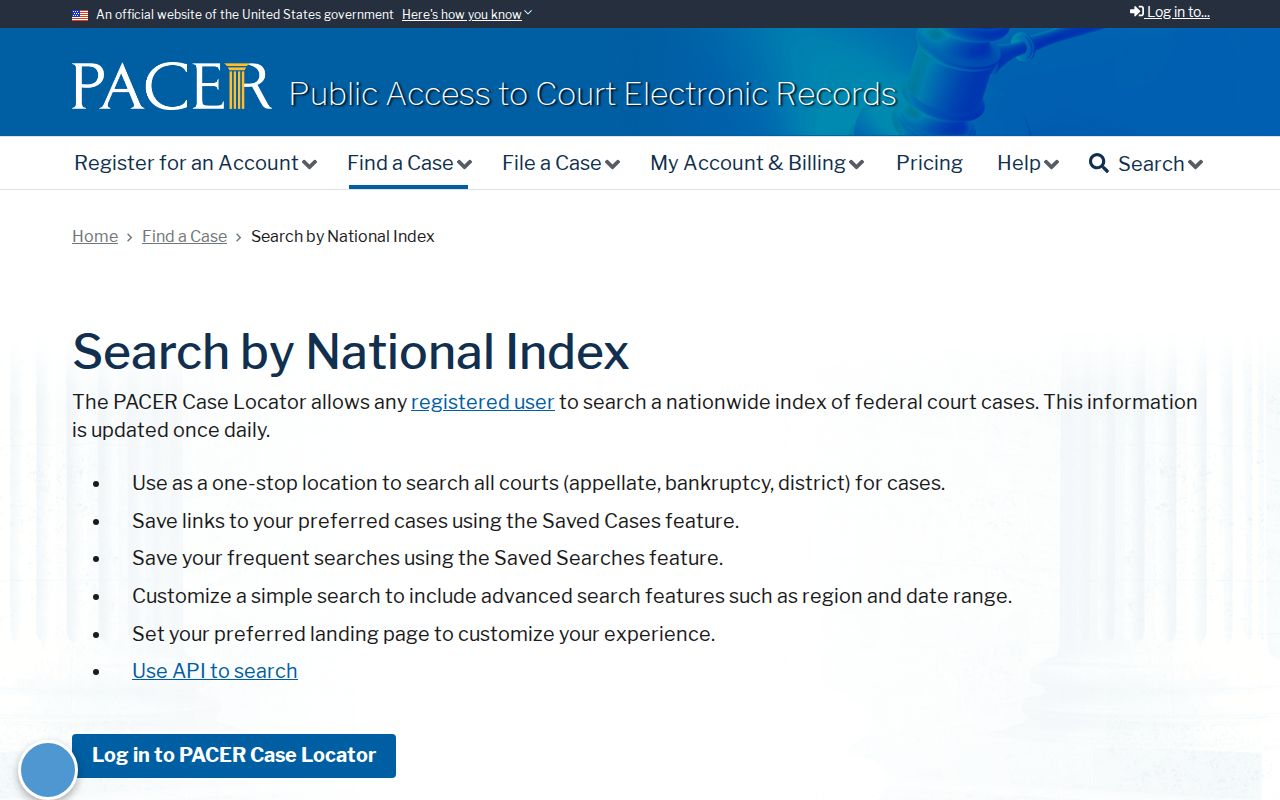
Federal matters follow a different track. Baylor County sits in the Wichita Falls Division of the Northern District of Texas, so a federal arrest case never routes through the Baylor County Clerk or the 50th District Clerk. The PACER national index searches public federal dockets, but it is not a complete warrant roster, and sealed process stays out of public results. Treat any possible federal warrant as a question for the federal court, a lawyer, or the U.S. Marshals. That PACER screen is the federal system at work, not something Baylor County runs.
Use the county courts for state cases and the federal route for federal process.